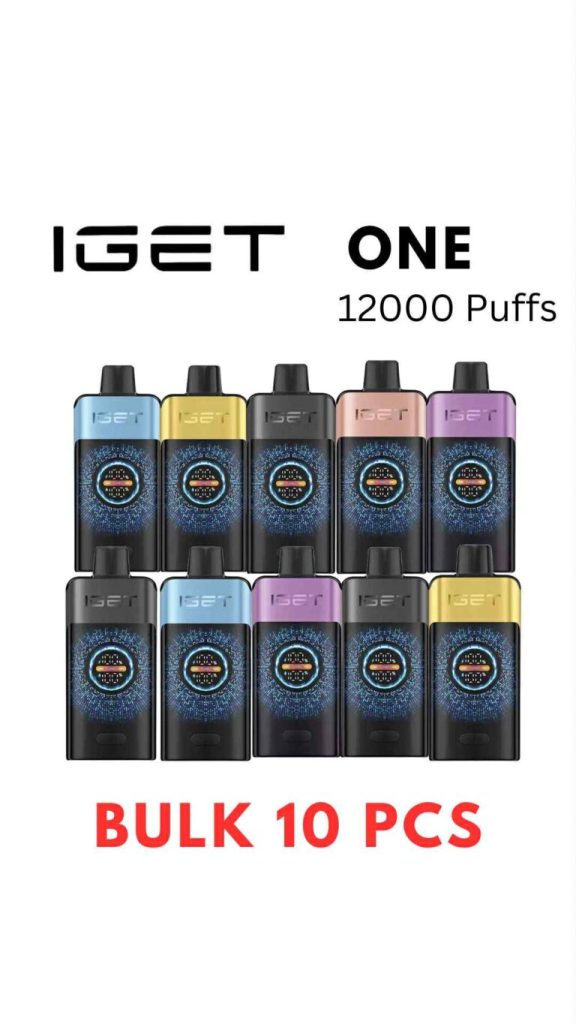
The rapid rise of disposable electronic cigarettes has reshaped the global nicotine market. Among the most widely recognized brands in this category is IGET, a manufacturer known for producing high-capacity, flavor-heavy disposable vapes such as the IGET Bar, IGET Legend, IGET XXL, and IGET Moon. With sleek designs, long-lasting puff counts, and user-friendly operation, these products have achieved massive popularity, particularly in markets like Australia and parts of Southeast Asia and Europe.
However, widespread accessibility and aesthetic appeal have raised significant concerns among health authorities, medical professionals, and consumers. The central question remains: Are IGET vapes safe?
To evaluate the safety of IGET vapes accurately, it is necessary to examine the physical components, e-liquid chemical formulation, toxicological risks of heating e-liquids, addictive potential, regulatory landscape, and how disposable vapes compare to traditional tobacco products.
What Is an IGET Vape?
IGET is an e-cigarette brand manufacturing single-use, closed-system disposable devices. Unlike open-system vapes, which allow users to refill e-liquid tanks and replace heating coils manually, IGET vapes come pre-filled with e-liquid and pre-charged with an integrated lithium-ion battery.
Common Models and Specifications
| Model | Approximate Puff Count | E-Liquid Capacity | Nicotine Strength Options | Battery Capacity |
| IGET Bar | ~3,500 puffs | 12.0 mL | 5% (50mg/mL) / Nicotine-Free | 1500 mAh (Non-rechargeable) |
| IGET Legend | ~4,000 puffs | 12.0 mL | 5% (50mg/mL) | 1350 mAh (Rechargeable) |
| IGET Moon | ~5,000 puffs | 13.0 mL | 5% (50mg/mL) / 2% (20mg/mL) | 1400 mAh (Rechargeable) |
| IGET Star | ~7,000 puffs | 16.0 mL | 5% (50mg/mL) | 550 mAh (Type-C Rechargeable) |
| IGET B5000 | ~5,000 puffs | 15.0 mL | 5% (50mg/mL) | 500 mAh (Type-C Rechargeable) |
While the convenience of disposable devices attracts consumers, closed-system construction prevents independent verification of internal quality controls, component integrity, or true e-liquid formulation prior to use.
Deconstructing the Chemical Ingredients in IGET Vapes
Assessing the safety of any e-cigarette requires an examination of the e-liquid ingredients and how those compounds change when exposed to heat.
IGET e-liquids primarily consist of four core categories: carrier liquids, nicotine, flavorings, and organic acids.
┌───────────────────────────────────────────────────────────┐
│                   IGET E-Liquid Matrix                   │
├─────────────────────────────┬─────────────────────────────┤
│ Base Carriers               │ Active & Flavor Agents      │
│  • Propylene Glycol (PG)    │  • Nicotine Salts           │
│  • Vegetable Glycerin (VG)  │  • Benzoic Acid             │
│                             │  • Synthetic Flavorings     │
└─────────────────────────────┴─────────────────────────────┘
1. Carrier Liquids: Propylene Glycol (PG) and Vegetable Glycerin (VG)
Propylene Glycol (PG) and Vegetable Glycerin (VG) form the base liquid responsible for dissolving nicotine and flavor compounds and generating visible vapor. Are IGET Vapes Safe
- Propylene Glycol (PG): Synthetic liquid providing a sharp throat hit mimicking traditional cigarette smoke. Although designated as “Generally Recognized as Safe” (GRAS) by the U.S. Food and Drug Administration (FDA) for ingestion in foods and cosmetics, GRAS status applies to digestion, not inhalation. Inhaling atomized PG can cause upper respiratory irritation, dry mouth, and throat discomfort.
- Vegetable Glycerin (VG): Derived from plant fats, VG is a thicker, sweeter compound that produces dense vapor clouds. Thermal breakdown of VG can yield toxic aldehydes under high heat conditions.
2. Nicotine Formulation: High-Concentration Nicotine Salts
Most standard IGET devices contain 5% nicotine by weight, equivalent to 50 mg/mL. This high concentration is achieved using nicotine salts formed by combining freebase nicotine with organic acids (typically benzoic acid).
- Profound Addictive Potential: Nicotine salts lower the pH of the liquid, eliminating the harsh throat sting associated with high-dose freebase nicotine. This smooth delivery enables deep, rapid inhalation, delivering high nicotine concentrations to the brain within seconds. Are IGET Vapes Safe
- Nicotine Dosage Comparison: A single IGET Bar (3,500 puffs, 12 mL e-liquid at 50 mg/mL) contains up to 600 mg of total nicotine. In terms of raw nicotine content, one device contains as much nicotine as multiple packs or cartons of traditional cigarettes. Are IGET Vapes Safe
3. Flavoring Compounds
IGET offers dozens of sweet, fruit, and menthol flavor profiles. While these food-grade flavoring agents are safe for oral consumption, their thermal degradation pathways when vaporized and inhaled present specific health risks.
- Cinnamaldehyde, Vanillin, and Menthol: Widely used in fruit and ice flavors, these flavor molecules can exhibit cytotoxic effects on pulmonary epithelial cells, causing cellular stress and local inflammation.
- Diacetyl Risks:
- Diacetyl is a chemical linked to Bronchiolitis Obliterans (“popcorn lung”), an irreversible disease that damages the small airways of the lungs. While many e-cigarette manufacturers claim to omit diacetyl, independent testing across unregulated disposable vape brands often reveals unlisted flavor compounds or structural precursors. Are IGET Vapes Safe
Health Hazards Associated with IGET Vapes
Evaluating safety requires distinguishing between immediate short-term side effects and potential long-term pathology. Are IGET Vapes Safe
       ┌────────────────────────────────────────────────────────┐
       │             Health Impact Spectrum                     │
       └───────────────────────────┬────────────────────────────┘
                                   │
         ┌─────────────────────────┴─────────────────────────┐
         ▼                                                   ▼
┌─────────────────────────┐                         ┌─────────────────────────┐
│   Short-Term Effects    │                         │    Long-Term Risks      │
├─────────────────────────┤                         ├─────────────────────────┤
│ • Throat/Airway Dryness │                         │ • Chronic Bronchitis    │
│ • Coughing & Hoarseness │                         │ • Cardiovascular Stress │
│ • Elevated Heart Rate   │                         │ • Nicotine Dependence   │
│ • Nausea & Headaches    │                         │ • Pulmonary Inflammation│
└─────────────────────────┘                         └─────────────────────────┘
Short-Term Effects
Users frequently report acute side effects following short-term or intensive use of high-strength disposable vapes: Are IGET Vapes Safe
- Airway dryness, mouth irritation, and sore throat.
- Persistent dry cough or breathlessness.
- Headaches, dizziness, and mild nausea caused by acute nicotine exposure.
- Transient elevations in blood pressure and resting heart rate.
Long-Term Risks
1. Respiratory and Pulmonary Damage
Inhaling thermal decomposition products from e-liquids exposes lung tissue to volatile organic compounds (VOCs) such as formaldehyde, acetaldehyde, and acrolein. These compounds irritate the respiratory tract, impair mucosal clearance mechanisms, and can induce chronic airway inflammation.
Furthermore, heavy metals including nickel, chromium, tin, and lead can leach from internal heating coils into the vapor. Inhaling ultrafine metallic particles allows toxins to penetrate deep into alveoli, increasing long-term risks for systemic inflammation and reduced lung function. Are IGET Vapes Safe
2. Cardiovascular Stress
Nicotine triggers systemic adrenaline release, activating the sympathetic nervous system. Sustained daily use leads to:
- Chronically elevated heart rate and blood pressure.
- Arterial stiffness and endothelial dysfunction. Are IGET Vapes Safe
- Increased risk of cardiovascular events in individuals with underlying heart conditions.
3. Neurological and Developmental Impacts
The human brain continues developing until approximately age 25. High-concentration nicotine exposure during adolescence or early adulthood alters neural circuit formation in areas governing attention, learning, mood stability, and impulse control. Nicotine addiction can also increase susceptibility to other substance dependencies. Are IGET Vapes Safe
The Regulatory and Quality Control Issue
A major risk factor with IGET devices stems from regulatory status and supply chain consistency. Are IGET Vapes Safe
Unregulated Production and Counterfeiting
Unlike pharmaceutical nicotine replacement therapy (NRT) products or authorized e-cigarette devices subjected to rigorous pre-market review, many disposable vapes are produced in factories with varying quality control standards. Are IGET Vapes Safe
- Inconsistent Nicotine Labeling: Independent laboratory analyses of illicit disposable vapes often highlight significant discrepancies between labeled nicotine strengths and actual liquid contents. Products marked as low-nicotine or “nicotine-free” have frequently tested positive for high nicotine levels.
- Thermal Control Failure: Lower-quality disposable hardware lacks temperature-control circuitry. As the battery drains or e-liquid levels drop, heating elements can overheat, causing dry hits that increase aerosol concentrations of toxic aldehydes like formaldehyde. Are IGET Vapes Safe
Global Regulatory Responses (Focus on Australia)
To curb youth vaping and control unregulated imports, jurisdictions like Australia have enacted strict legal frameworks: Are IGET Vapes Safe
- Pharmacy-Only Model: In Australia, all vapes whether containing nicotine or not must be supplied through licensed pharmacies. Are IGET Vapes Safe
- Import Restrictions: Commercial import, sale, or possession of non-compliant disposable vapes (including standard retail IGET devices) outside authorized medical pathways is prohibited.
- Therapeutic Goods Order 110 (TGO 110): Legal therapeutic vapes must adhere to strict packaging, ingredient disclosure, heavy metal testing, and flavor limitations. Most consumer-market IGET vapes do not meet these standards and are categorized as prohibited commercial imports in Australia.
IGET Vapes vs. Traditional Cigarettes
Determining whether vapes are “safe” often leads to comparisons with traditional combustible tobacco.
┌──────────────────────────────┬──────────────────────────────┐
│    Combustible Cigarettes    │     Unregulated IGET Vape    │
├──────────────────────────────┼──────────────────────────────┤
│ • Produces combustion smoke  │ • Produces liquid aerosol    │
│ • Contains ~7,000 chemicals  │ • Contains lower chemical    │
│ • Generates tar & carbon     │   count, but includes toxic  │
│   monoxide                   │   aldehydes & heavy metals   │
│ • High cancer & respiratory  │ • Free of tar/CO, but high   │
│   disease risk               │   nicotine salt intake       │
└──────────────────────────────┴──────────────────────────────┘
Leading health institutions note that high-quality, regulated e-cigarettes are significantly less harmful than smoking traditional cigarettes. Combustible tobacco smoke releases tar, carbon monoxide, and over 70 toxic carcinogens created by burning plant matter. Vaping does not involve combustion, eliminating tar and carbon monoxide.
However, “less harmful than smoking” does not equal “safe”. For nonsmokers, young adults, and adolescents, introducing concentrated aerosolized nicotine and thermal decomposition products poses clear health risks without providing any therapeutic harm-reduction benefit.
From a clinical and toxicological perspective, IGET vapes cannot be considered safe.
While they do not produce the combustion products associated with smoking, they present distinct risks:
- High Dependency Risk: High nicotine salt content (up to 50 mg/mL) creates strong physical dependence.
- Inhalation Hazards: Vaping delivers ultrafine particles, trace heavy metals, and flavoring compounds directly to deep lung tissues. Are IGET Vapes Safe
- Quality Control Uncertainties: As non-therapeutic, unregulated consumer imports in many jurisdictions, device consistency, ingredient purity, and accurate labeling cannot be guaranteed.
Harm Reduction Guidance
- For Current Smokers: Switching completely from combustible tobacco to a regulated vaping product or approved Nicotine Replacement Therapy (NRT) reduces exposure to tobacco toxins. However, obtaining regulated products under medical guidance is safer than relying on illicit disposable devices.
- For Non-Smokers and Youth: Avoid using IGET or any disposable vaping products. The risk of nicotine addiction, respiratory irritation, and cardiovascular stress outweighs potential recreational appeal.